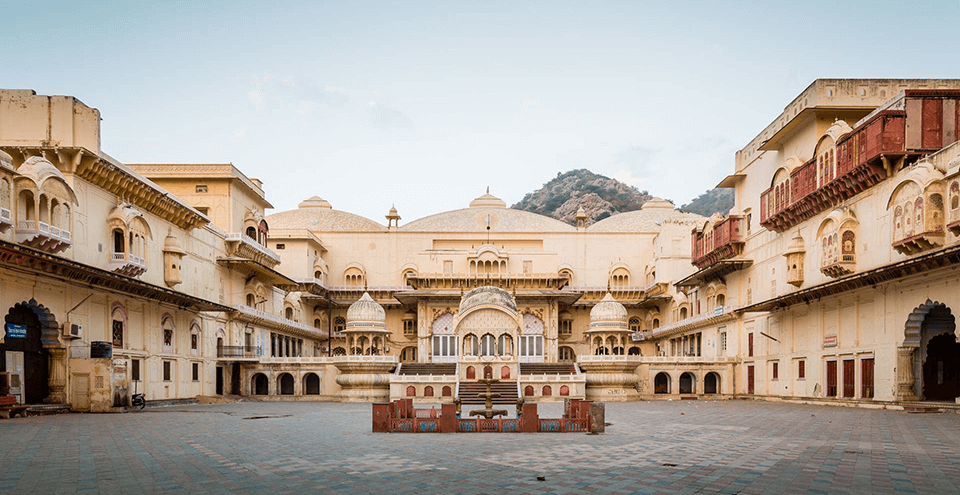
ALWAR CITY PALACE
Built in 1793 AD by Raja Bakhtawar Singh, the City Palace is an amazing mélange of the Rajputana and Islamic styles of architecture. The highlight of this palace are graceful marble pavilions set on lotus flower bases in the central courtyard. The palace that once belonged to the Maharaja has been converted into the District Collectorate. Its grand halls and chambers now house government offices.
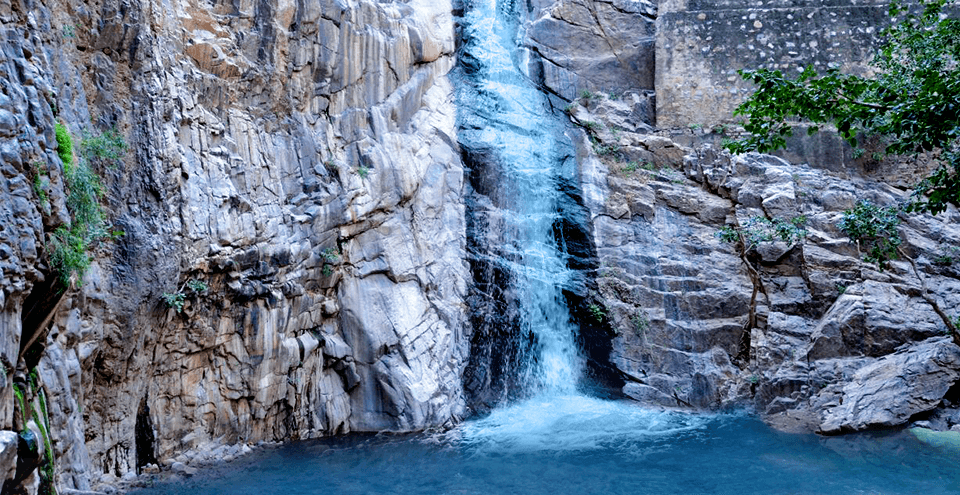
GARBHAJI WATER FALLS
Garbhaji Falls is a popular destination for foreign and local tourists. The breathtaking sight of the water cascading off the rocks is the best feature of the place. Ideal for photographers and nature lovers, it is also popular with people who love to explore a city beyond its man-made structures.
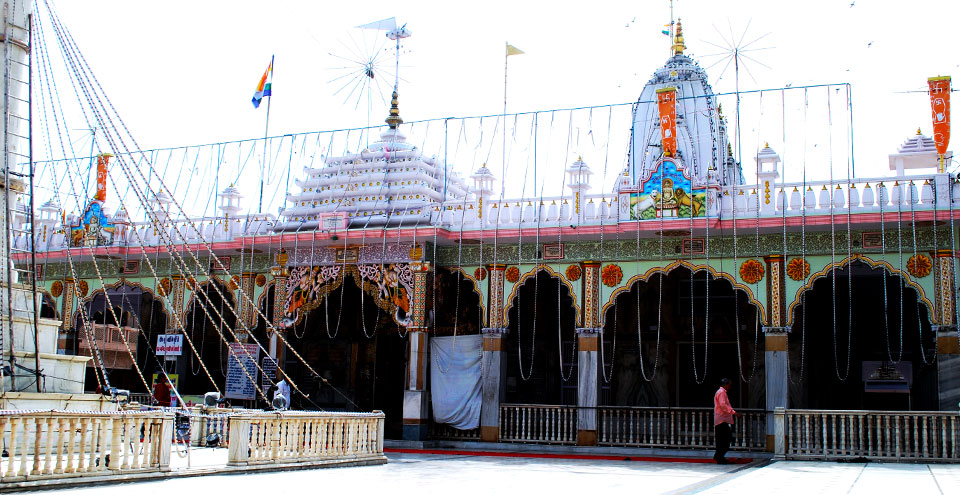
TIJARA JAIN TEMPLE
About 60 kilometres from the Alwar-Delhi route lies this important centre of Jain pilgrimage. The exquisitely decorated ancient temple was built to commemorate the eighth Tirthankar, Shri Chandra Prabha Bhagwan. The son of King Mahasen and Queen Sulakshana, he ruled his kingdom for several years before receiving Diksha and being initiated. After serving mankind for several years, he meditated for a month and attained Nirvana.
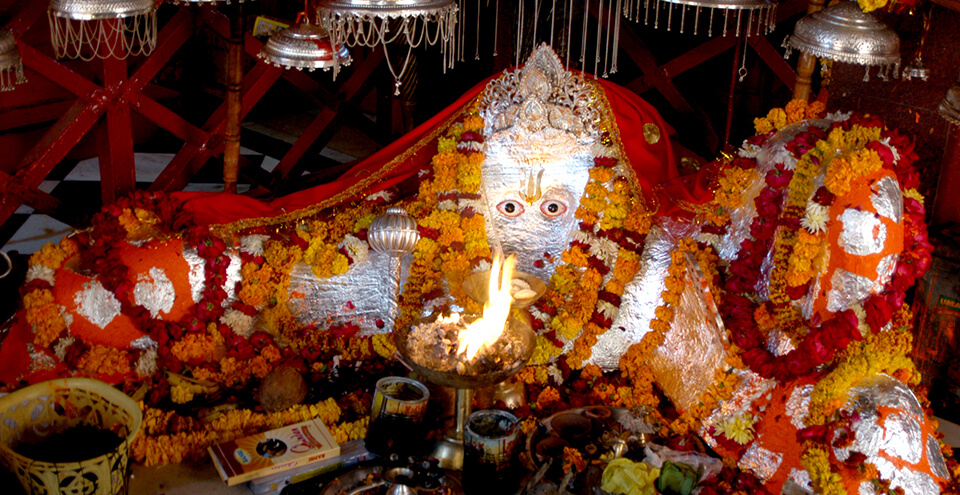
PANDUPOLJI
A trail through the Sariska Sanctuary gate leads to this temple dedicated to Lord Hanuman. At the Pandu Pol or Pandu gate, gushes a spring that appears to magically cascade down from the hard and compact rocks. Legend has it that the Pandava brothers took refuge here during their exile.
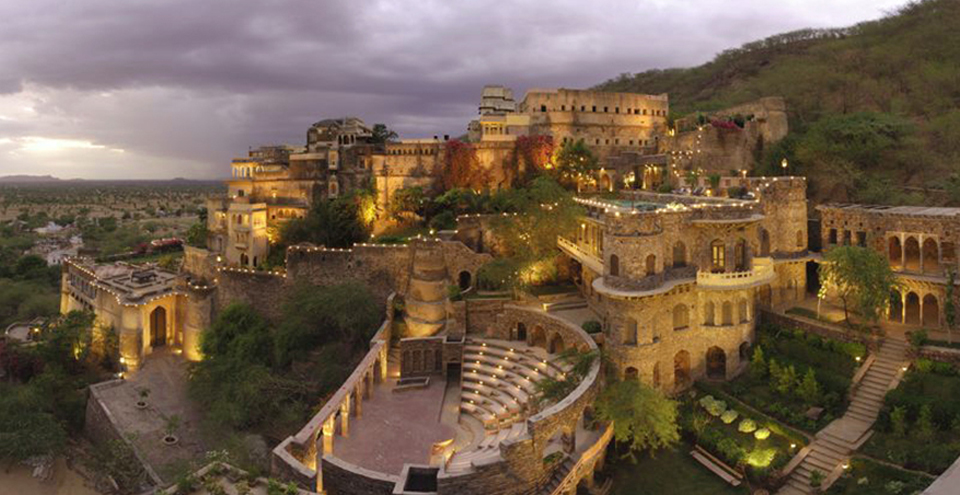
NEEMRANA FORT
History says that Neemrana Fort was built by the Yaduvanshis, believed to be the descendants of Lord Krishna. Its story is rife with conquests and defeats and it has passed from the Rajputs to the Mughals and the Jats, before finally coming back to the Rajputs in 1775. Today, it is being run as a famous heritage hotel.
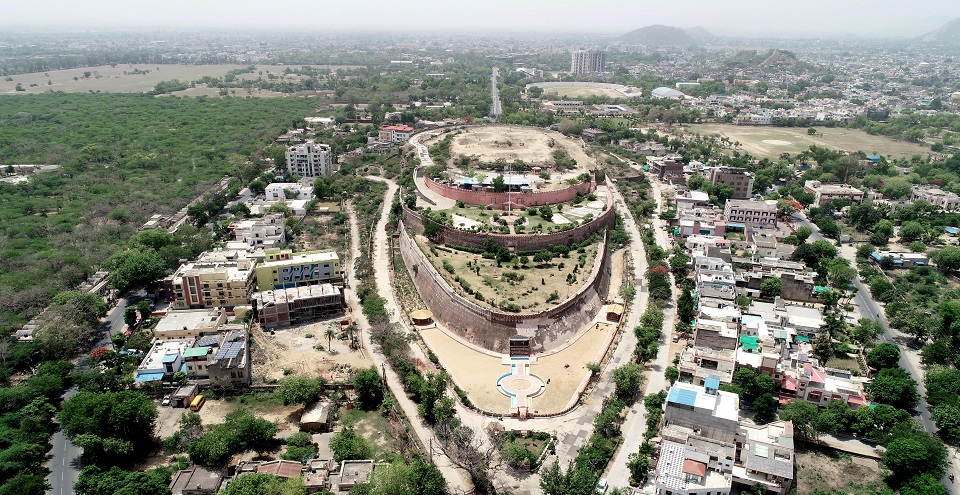
MOTI DOONGRI
Moti Doongri was originally built in the year 1882. Till the year 1928, it was the main residence of the royal family of Alwar. After 1928, Maharaja Jai Singh decided to demolish the old palace and later built a more magnificent one in its place.
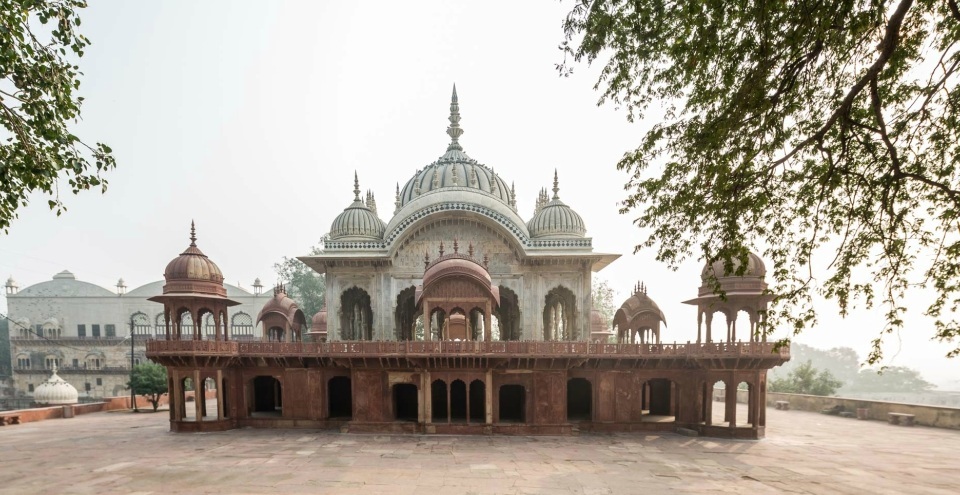
MOOSI MAHARANI CHHATRI
This cenotaph, built in the memory of Maharaja Bakhtawar Singh and his queen, Rani Moosi, reflects the Indo-Islamic style of architecture. The upper portion comprising columned pavilions and domed arches is made of marble while the lower section consists of pillars in red sandstone. The memorial is rated as one of the finest of its type.
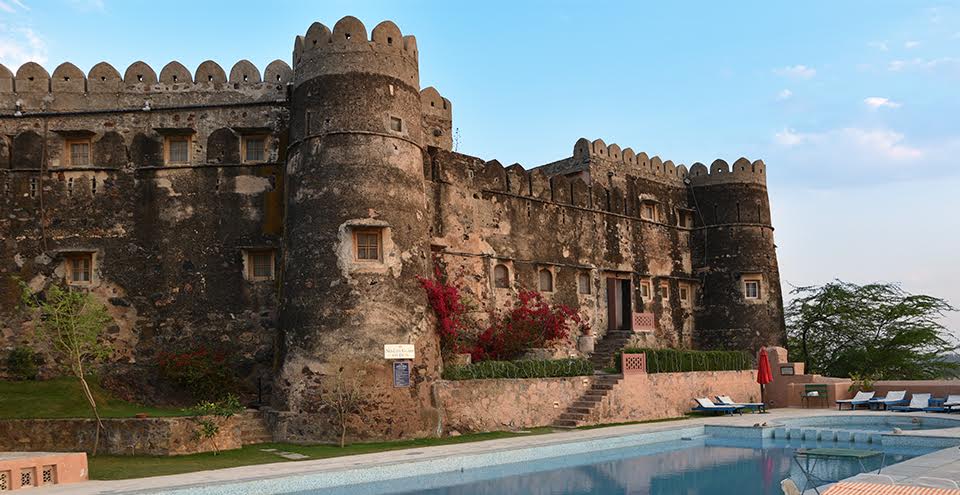
HILL FORT KESROLI
This 14th century fort is best known for its turrets, ramparts and arched verandas. It was built by the Yaduvanshi Rajputs, who are said to be descendants of Lord Krishna. Today, the fort has been converted into a heritage hotel.
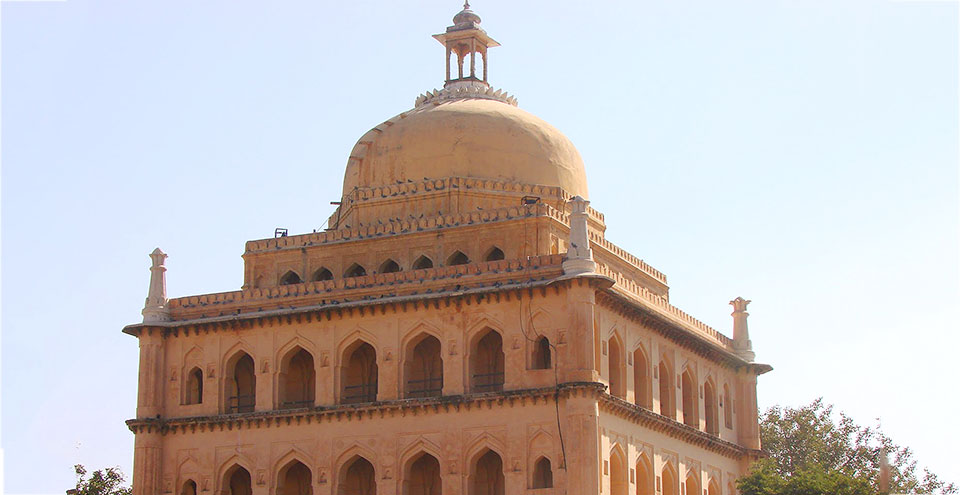
FATEH JUNG GUMBAD
This spectacular tomb, which is a combination of domes and minarets is an artistic marvel. Constructed from high quality sandstone, its massive dome can be seen from afar and is a blend of Hindu and Muslim architecture. It is dedicated to Fateh Jung who was a kind-hearted minister of the Mughal Emperor, Shah Jahan.
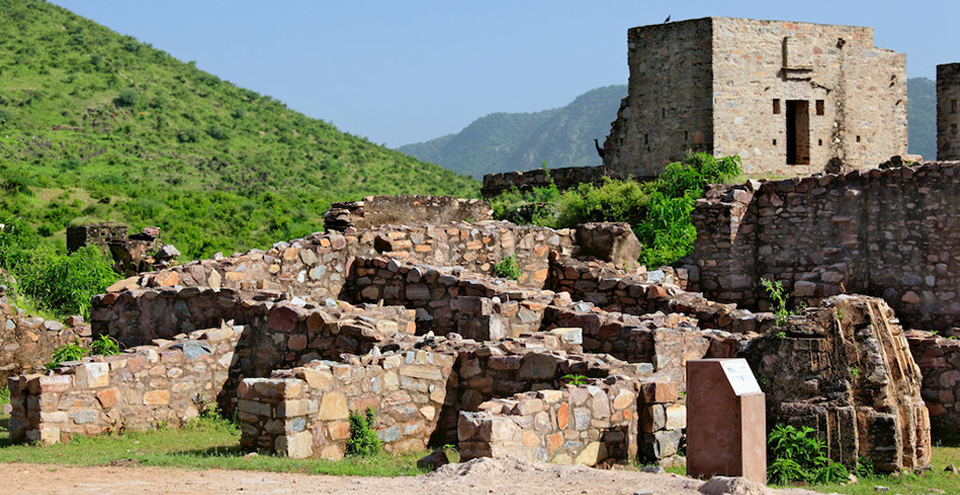
BHANGARH
Fifty kilometres from Sariska Sanctuary is the splendid town of Bhangarh which was built in the 17th century by Raja Madho Singh. The most popular legend states that the town was cursed by an evil magician and was subsequently abandoned. The evil effect of the curse is believed to be working even to this day. In fact, Bhangarh holds the distinction of being one of the most haunted places in India.
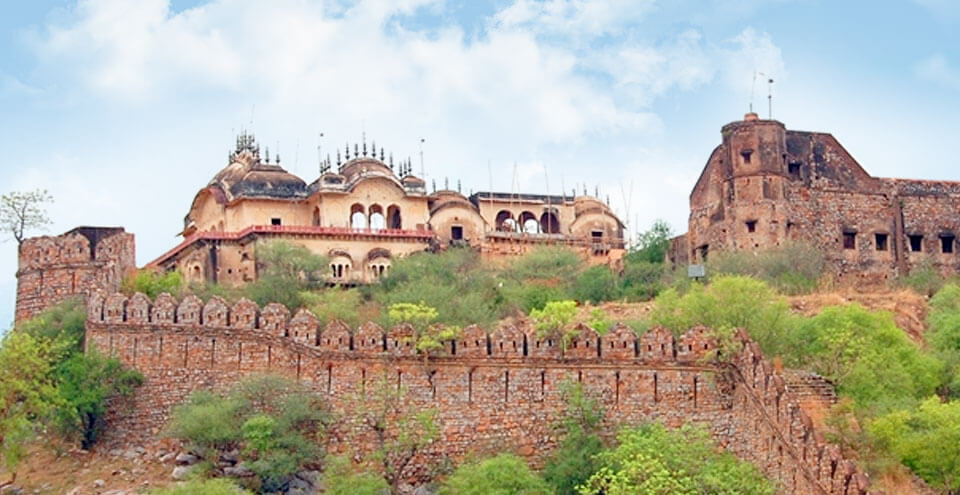
BALA QILA
The Bala Qila (young fort) was built on the foundations of a 10th century mud fort and is a towering structure set atop a hill. Strong fortifications, graceful marble columns and delicate latticed balconies make up the fort. Bala Qila can be entered through six gates, namely Jai Pol, Suraj Pol, Laxman Pol, Chand Pol, Krishan Pol and Andheri Gate.
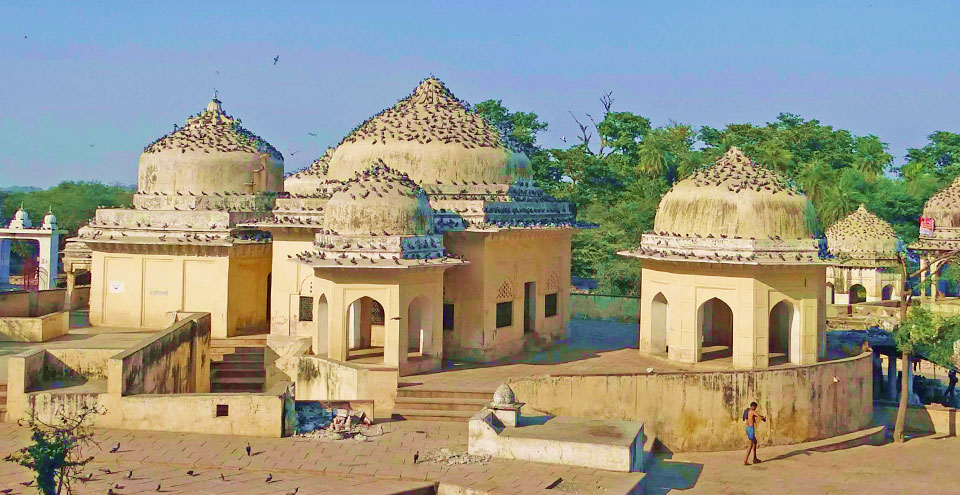
TALVRAKASH
The Sariska-Alwar road leads to this enchanting site where pilgrims bathe in hot sulphur springs. Tinkling scattered temple bells and strolling langurs lend it a unique ambience. It is famous as the place where Mandav Rishi sought penance.
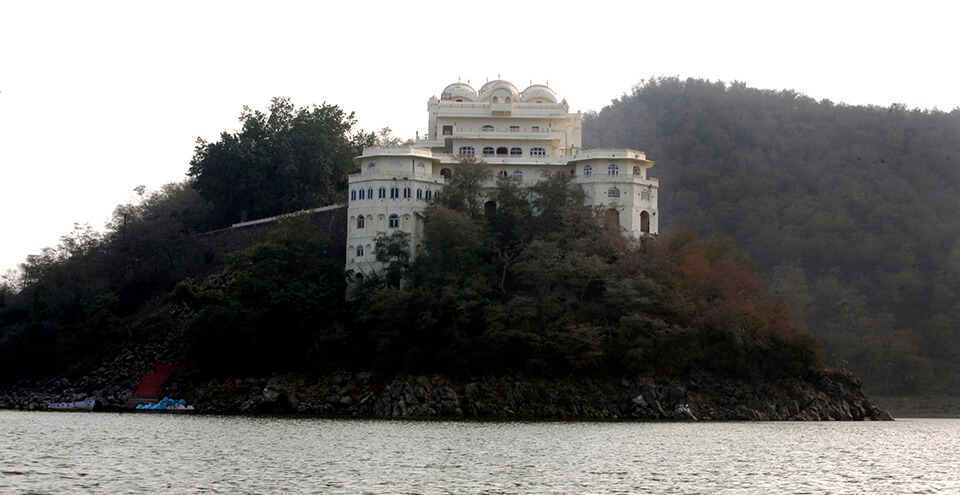
SILLISERH LAKE
Located 15 kilometres to the southwest of Alwar, this tranquil lake is nestled amidst forested hills and boasts of magnificent cenotaphs on its bank. In 1845, Maharaja Vinay Singh constructed a hunting chalet here for his Queen, Shila. Today it is a tourist bungalow.
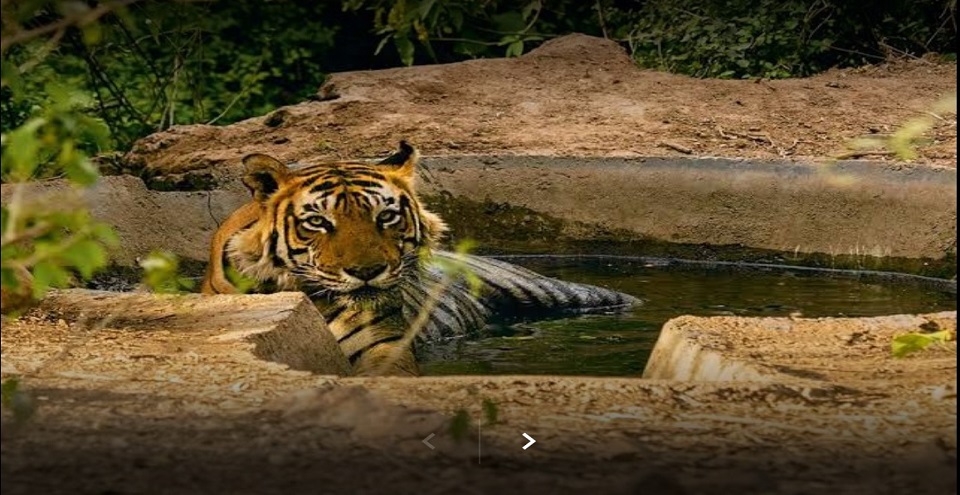
SARISKA TIGER RESERVE
Sariska Tiger Reserve, the first tiger reserve in the world to have successfully relocated tigers, is just 200 kilometres from Delhi and 107 kilometres from Jaipur. It was declared a sanctuary in 1955 and became a National Park in 1979.
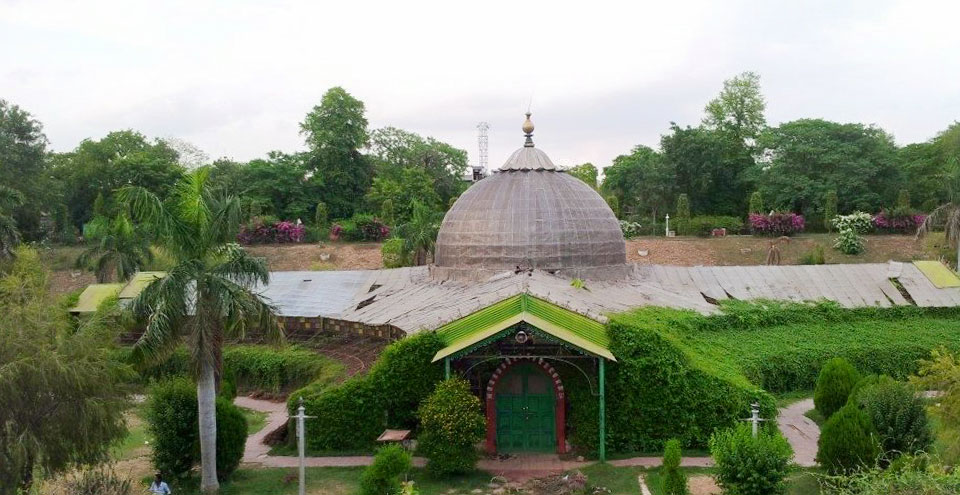
PURJAN VIHAR
One has Maharaja Sheodan Singh to thank for this attractive garden that was conceptualised and constructed in 1868. A picturesque place, locally known as Simla (the Summer House) was added to this garden to provide respite from the blazing sun.
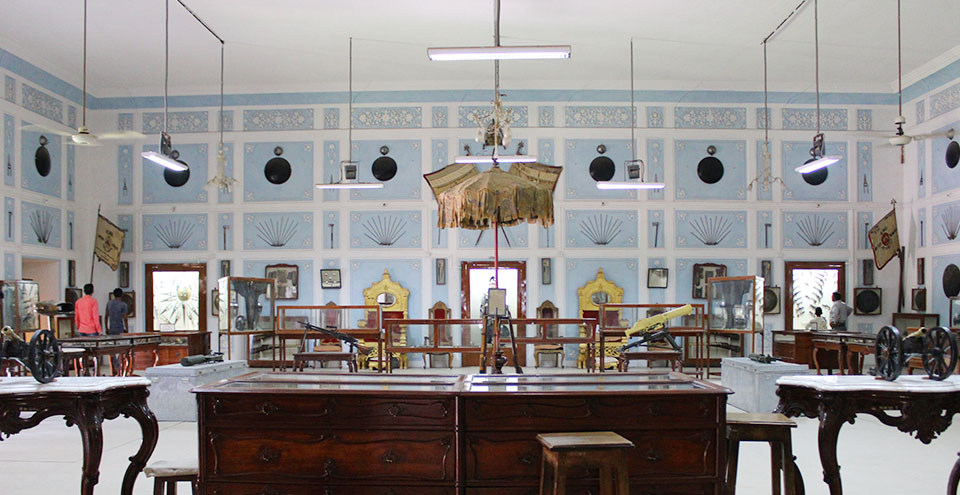
THE PALACE MUSEUM
The Palace Museum is a must-visit for anyone with an interest in the opulent life and lifestyle led by the Maharajas of Alwar. Rare manuscripts, including one depicting Emperor Babur’s life, Ragamala paintings and miniatures and even historic swords that once belonged to Muhammad Ghori, Emperor Akbar and Aurangzeb can be found here.